Extinct Animal of the Week
(formerly Dinosaur of the Week)
31 October 2013
In Storage
›
Originally posted by Mickey Mortimer The skull of Adasaurus , not seen for many, many years, was unveiled in a paper last year that revi...
30 October 2013
Adasaurus is A Stocky Animal
›
©Mike Hanson This Adasaurus does not appear as stocky as my title in today's blog would have anyone imagine. However, remember that...
29 October 2013
Inkless
›
Adasaurus has a short history of being written about. Unfortunately, it is a history that is mostly lacking. In part due to the recentness ...
28 October 2013
Gaming Material
›
Good morning from GSA in Denver, first of all. Secondly, Adasaurus has not made its way into any documentaries that I have found online. ...
27 October 2013
One For Kiddos
›
There are few fact pages dedicated to children for Adasaurus . We have seen fewer than are available today though. There is a pretty easy to...
26 October 2013
Being Average
›
Unknown but clearly based on the Timothy Bradley illustration The thing to know about illustrations of Adasaurus is that they all appea...
25 October 2013
Adding Up!
›
©Karkamesh (accuracy disputed) Adasaurus mongoliensis , meaning Ada's lizard, is a small theropod dinosaur described and named in 19...
24 October 2013
Dubious Favorite
›
Acanthopholis , meaning "spiny scales", is somewhat famous, despite being dubious in its distinctions, from time to time. Unfortu...
23 October 2013
Something New to Consider
›
In 1999 Superbiola and Barrett reviewed the materials attributed to Acanthopholis and determined that the material was not distinct enough ...
22 October 2013
Short of A Prize
›
Thomas Huxley described and named Acanthopholis in the 19th century. Some of the writings he created in which the dinosaur is mentioned hav...
21 October 2013
Drawing in Tribute
›
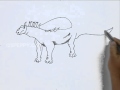
Acanthopholis has tribute videos, like many another dinosaur that has been featured in these hallowed spaces throughout the few short years...
20 October 2013
Acanthopholis, Late for Kids
›
Acanthopholis, though a bit late today, is for children and quite friendly in that regard. Since it is so late on a Sunday (in the states) I...
19 October 2013
When You've Seen Them All
›
Nodosaurs, and Ankylosaurs, in general, appear to have always been drawn in a very odd way. Older illustrations are always pretty entertai...
18 October 2013
Feminine Dinosaurs
›
©Karkemish A small Nodosaur, Acanthopholis horrida, was named and described by Thomas Huxley in 1867. This dinosaur was unearthed and re...
17 October 2013
Seeing Elaphrosaurus Again
›
Elaphrosaurus does not appear in the toy world nor does it appear in the literary world (outside of Paul's Predatory Dinosaurs) and it ...
16 October 2013
Elaphrosaurus is Snakey
›
Regardless of the image I use for Elaphrosaurus , it always seems as though it is just a little bit off. This includes the use of the two ...
15 October 2013
Lack of Papers
›
©Michael BH Elaphrosaurus , for all the study done concerning it and all of the information out there about it, does not appear in many ...
14 October 2013
Old Posts
›
Today feels like one of those days back when I started doing particular ideas or themes for different days of the week. Back in the beginnin...
13 October 2013
The Tortoise and The Elaphrosaurus
›
I really like the days when I can let a video or something for all the talking. Not too informative, not like a Dinosaur Directory entry ...
12 October 2013
A Rather Blah Theropod
›
©Nobu Tamura Elaphrosaurus was a fairly basal theropod dinosaur. The Late Jurassic, however, was a time of radiative adaptation by ther...
‹
›
Home
View web version